
 Login
Login
How LiU Formula Student Is Using the CanEduDev Rover to Drive Autonomous Innovation
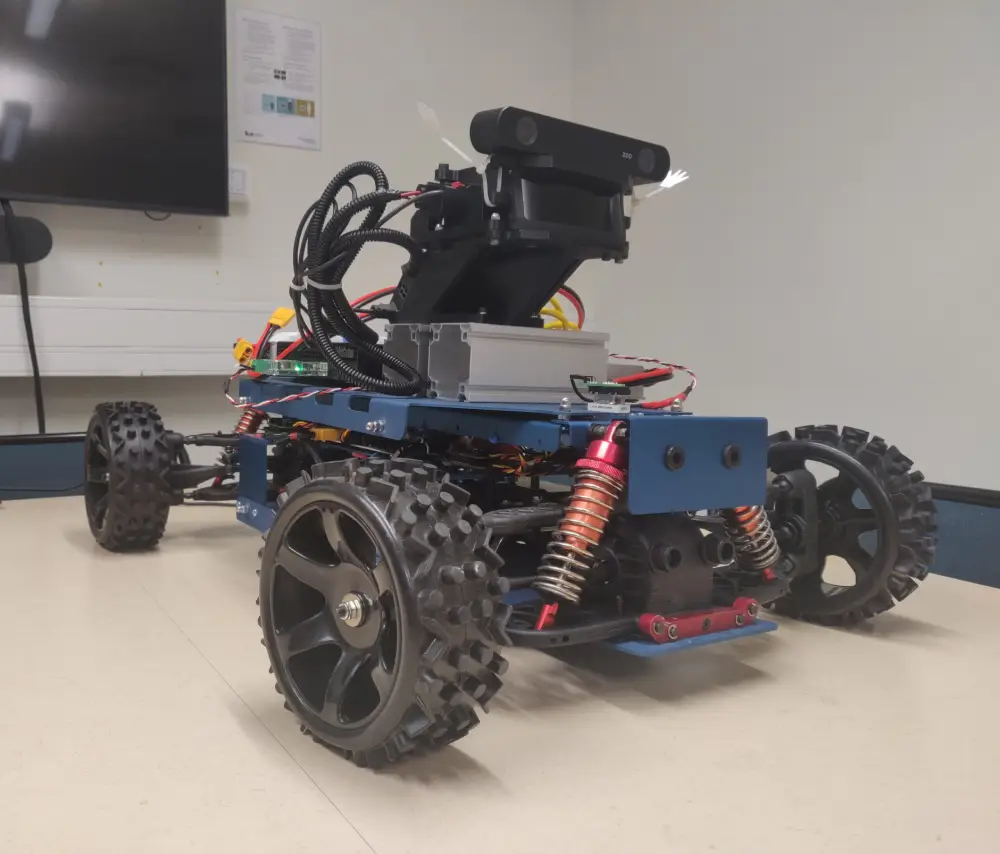
At Linköping University, the Formula Student Driverless Team has taken on the challenge of building an advanced autonomous vehicle platform. To accelerate their development and testing processes, they’ve integrated the CanEduDev Rover into their workflow as a modular, real-world testbed for sensor integration, software testing, and CAN-based communication systems.
🔍 Why the Rover?
The CanEduDev Rover was selected for its unique combination of plug-and-play modularity, CAN infrastructure, and realistic vehicle dynamics. It offers teams like LiU’s an ideal middle ground between simulation and full-scale autonomous vehicles—allowing for real-world testing in a compact and adaptable format.
With its CAN communication backbone, the Rover supports rapid integration of external sensors, control algorithms, and computing platforms. For academic teams tackling complex problems in perception, localization, and motion planning, it provides a hands-on platform that bridges theoretical learning with applied engineering.
🛠️ What They’re Doing
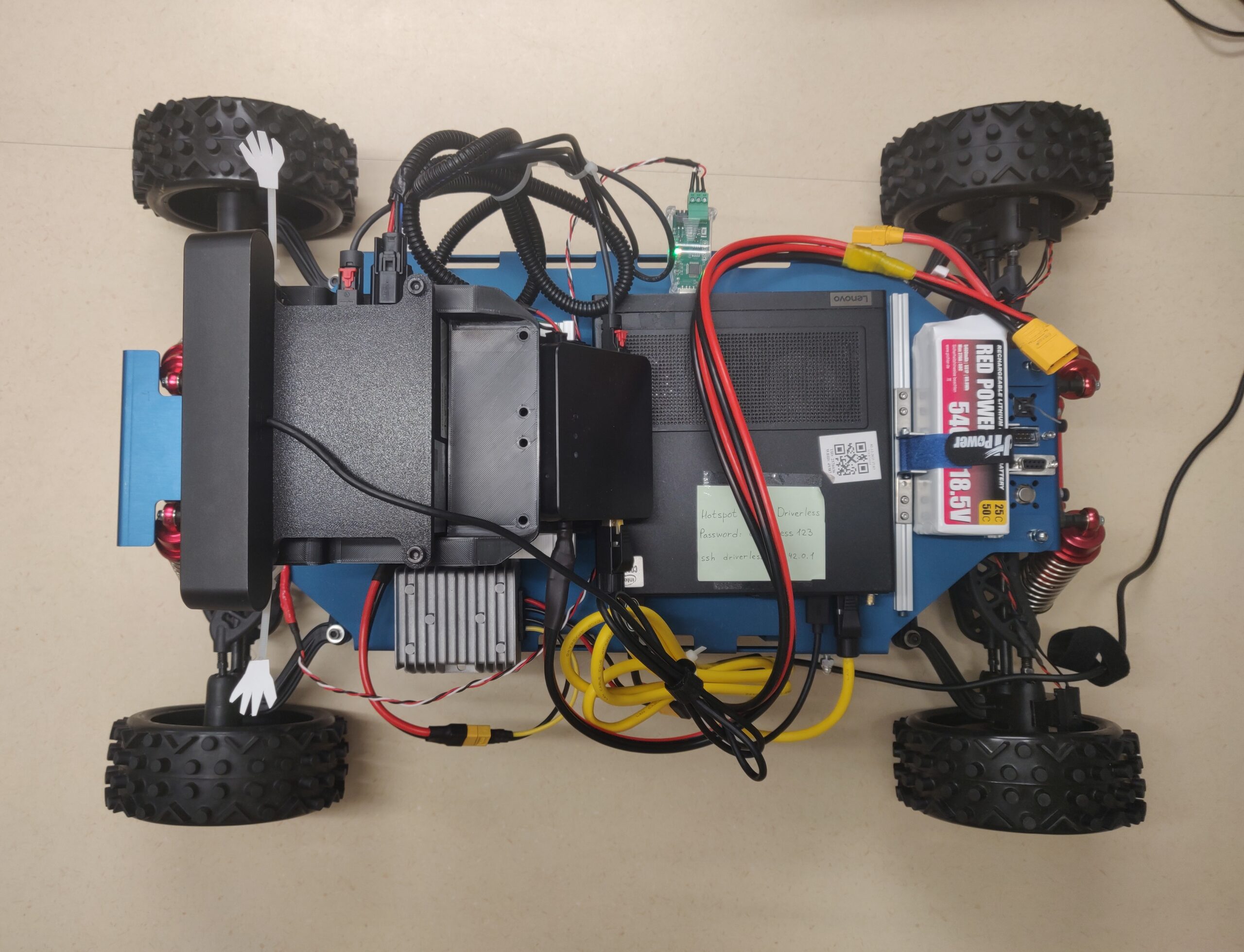
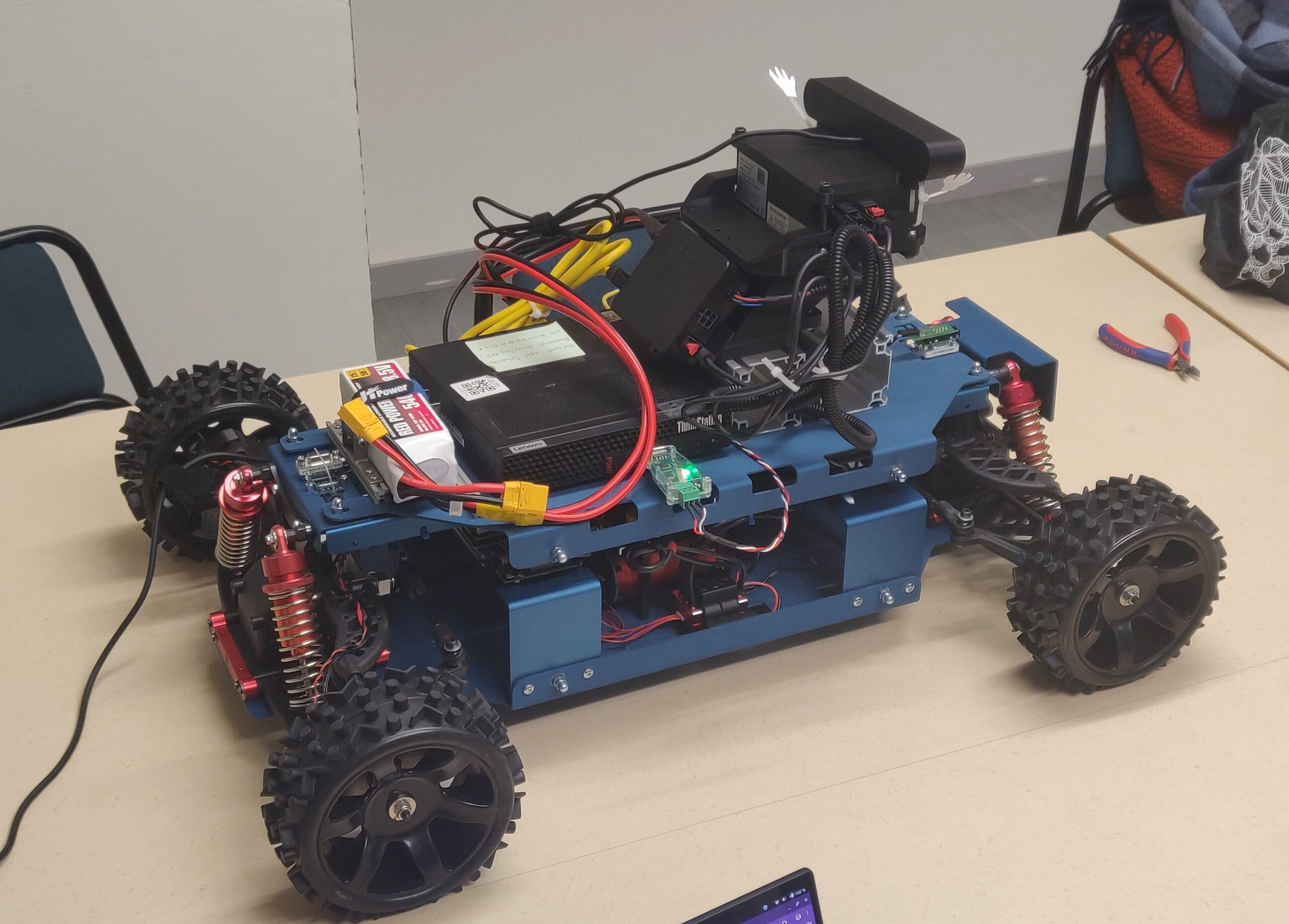
LiU’s team is currently building out their full sensor and computing stack on the Rover. This includes:
- Mounting and powering a custom computer for autonomous control
- Integrating key perception tools like LiDAR
- Preparing the software stack for upcoming test sessions
- Configuring the Rover’s CAN interface for seamless data exchange and low-latency control
These efforts are laying the foundation for live data collection, which will be used to develop and validate algorithms in autonomous navigation and localization.
🎯 Problems Being Solved
Through this collaboration, the Rover is helping address several key challenges:
- Bridging Simulation and Reality: The team can now test their code in real environments without jumping straight to a full-scale vehicle.
- Validating Autonomous Systems: The Rover provides a safe, reliable platform for testing drive-by-wire control and perception pipelines.
- Reducing Development Time: By working with a pre-configured, modular system, the team can focus more on software innovation and less on hardware setup.
🚀 What’s Next?
With hardware integration nearly complete and CAN communication online, the team is preparing for real-world testing and data collection. The expected outcome is a fully operational small-scale autonomous vehicle capable of running in-field experiments, validating algorithms, and showcasing advanced control systems in a tangible format.
This use case underscores the Rover’s role as more than just a demo tool—it’s becoming a cornerstone of academic research and prototyping.
For institutions and research teams exploring autonomy, robotics, or CAN-based system design, the CanEduDev Rover offers a fast track to innovation—enabling real-world progress without full-scale vehicle complexity.
our other blogs
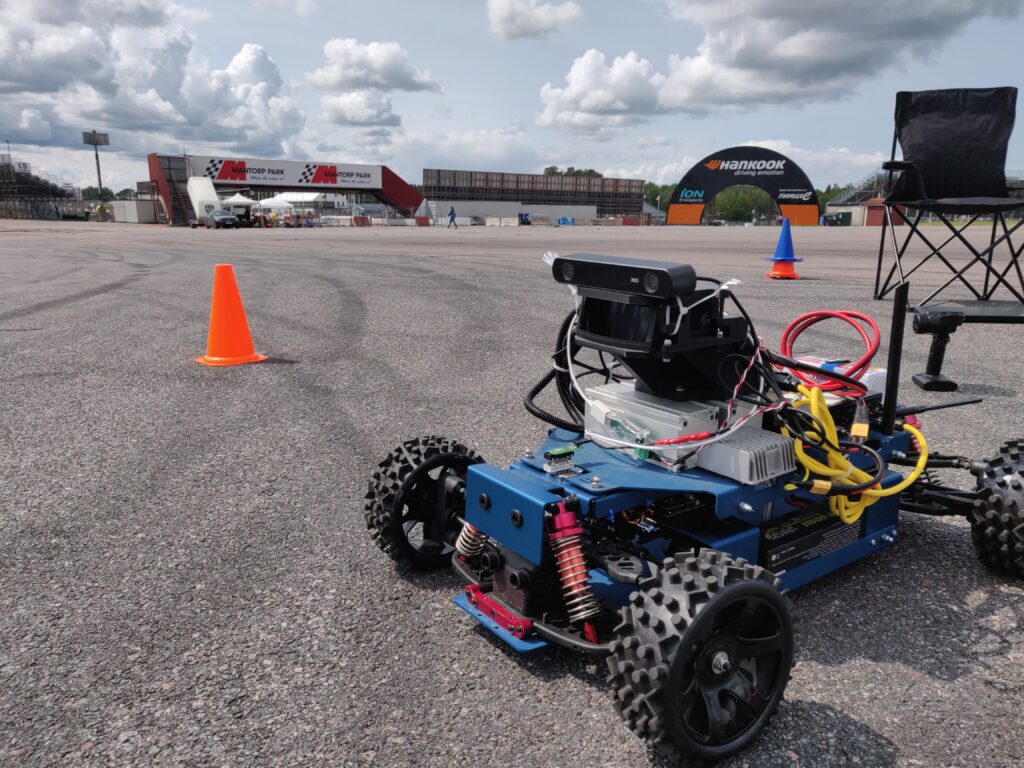
From Simulation to Skidpad: How the CanEduDev Rover is Accelerating LiU Formula Student’s Driverless Ambitions
For any team in the high-stakes world of autonomous racing, the gap between a promising algorithm in a simulator and a car executing a flawless run on the track is immense. It's a gap filled with long...
read more
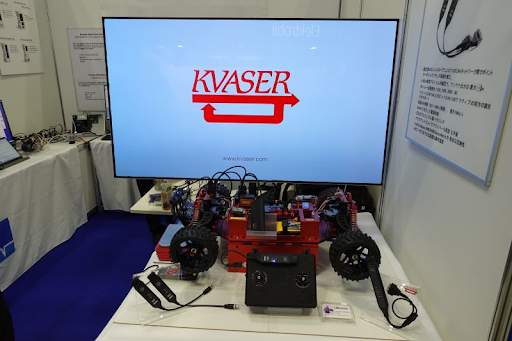
CanEduDev formally partners with Kvaser
As a newly appointed Technical Associate to Kvaser, CanEduDev is set to bring its Rover platform to the forefront of CAN technology demonstrations and education. This collaboration underscores our sh...
read more
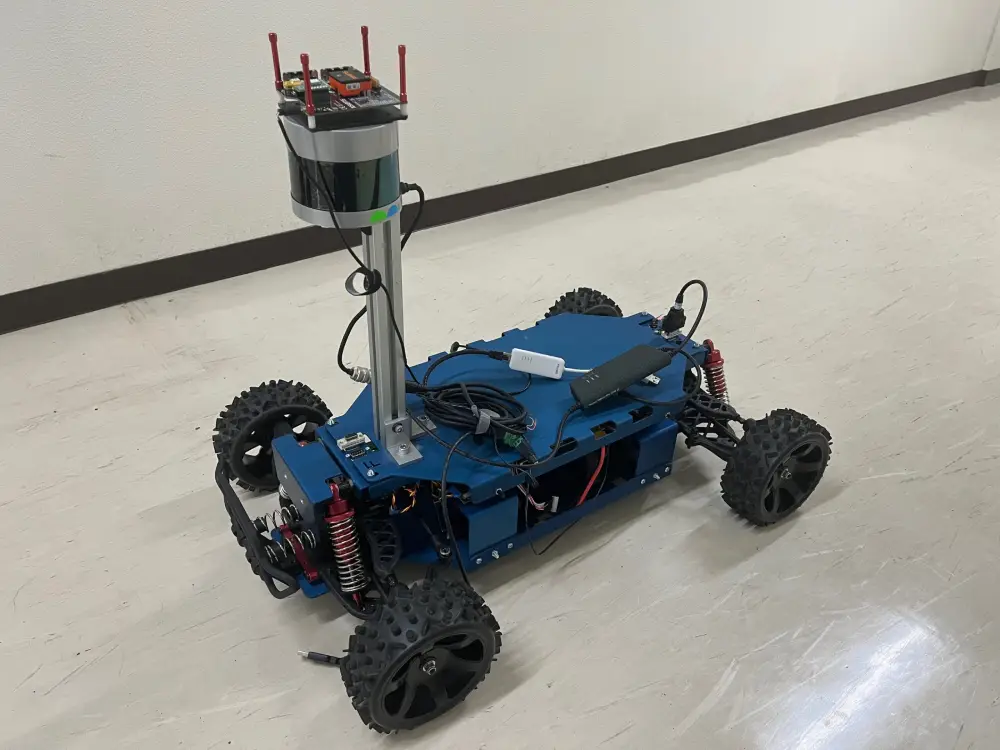
Bringing Autonomy to Life: Autoware Integration with the CanEduDev Rover
In Alex Carballo’s lab at Gifu University, cutting-edge research and hands-on robotics come together to create innovative solutions. In their latest project, headed by Tomoki Kuno, they showcase th...
read more
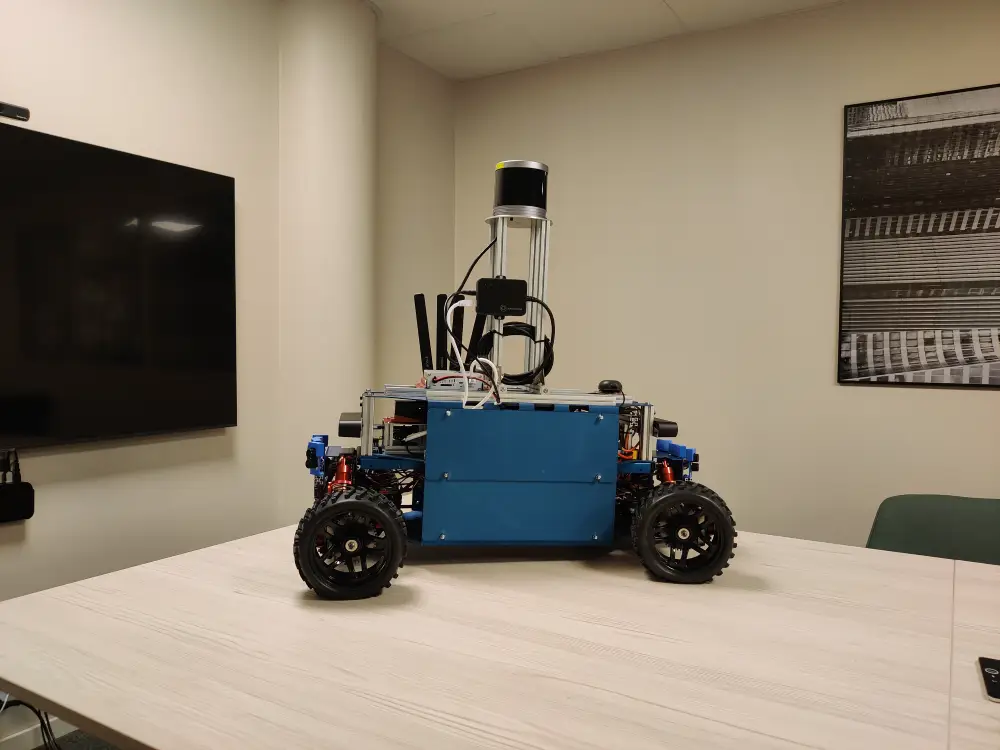
Unlocking the Future with CanEduDev Rover and ROS2 Integration
In an era where rapid advancements in automation and robotics are reshaping industries, real-time data acquisition, flexible control, and robust integration have become critical. To meet these demand...
read more
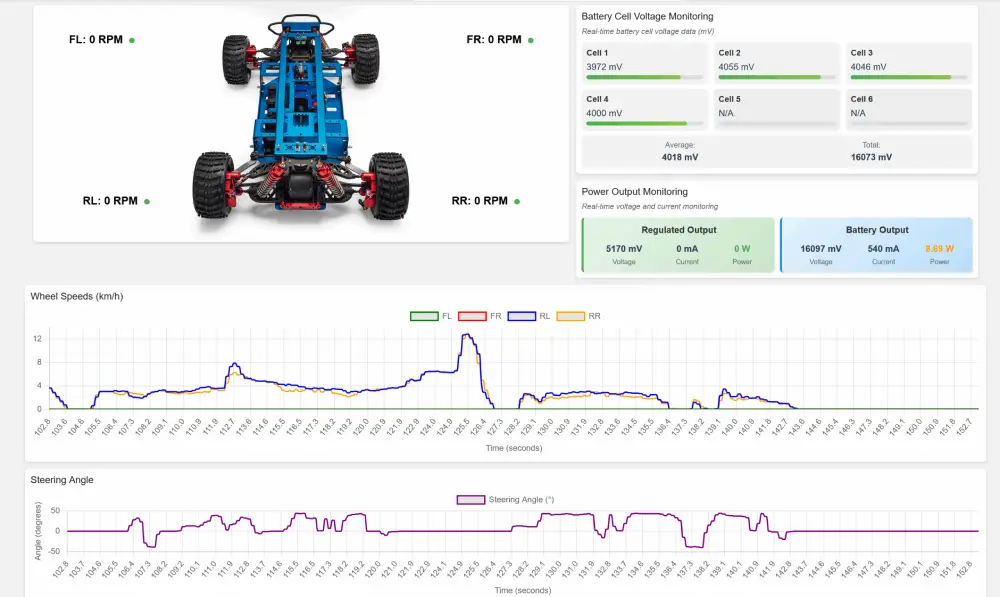
Case Study: How Influx’s Use of the CanEduDev Rover Platform is Accelerating Automotive Development and Demo Capabilities
Case Study: How Influx's Use of the CanEduDev Rover Platform is Accelerating Automotive Development and Demo Capabilities Executive Summary Influx Technology is leveraging the CanEduDev Rover platfo...
read more
How LiU Formula Student Is Using the CanEduDev Rover to Drive Autonomous Innovation
At Linköping University, the Formula Student Driverless Team has taken on the challenge of building an advanced autonomous vehicle platform. To accelerate their development and testing processes, the...
read more