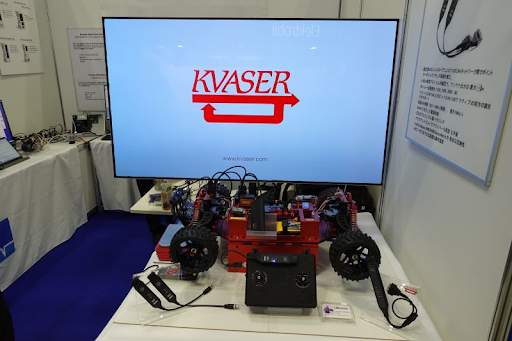
CanEduDev Rover: Technical Progress Update on System Integration
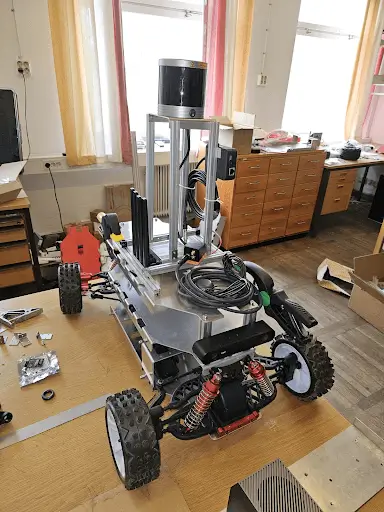
TecosaRover 1

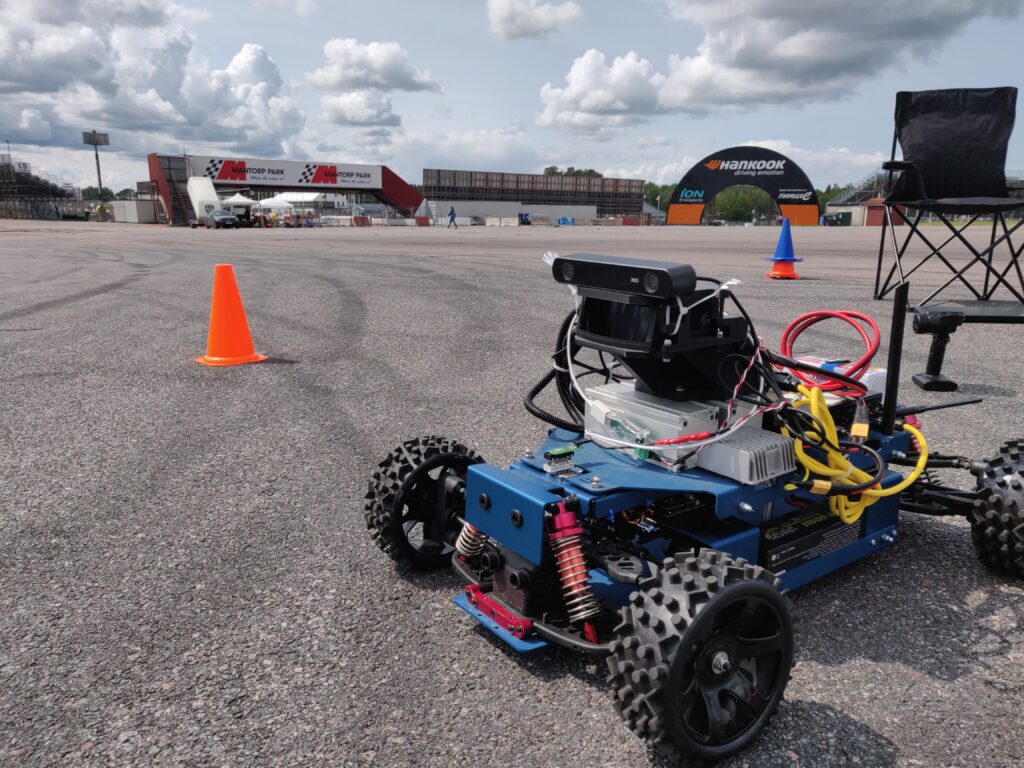
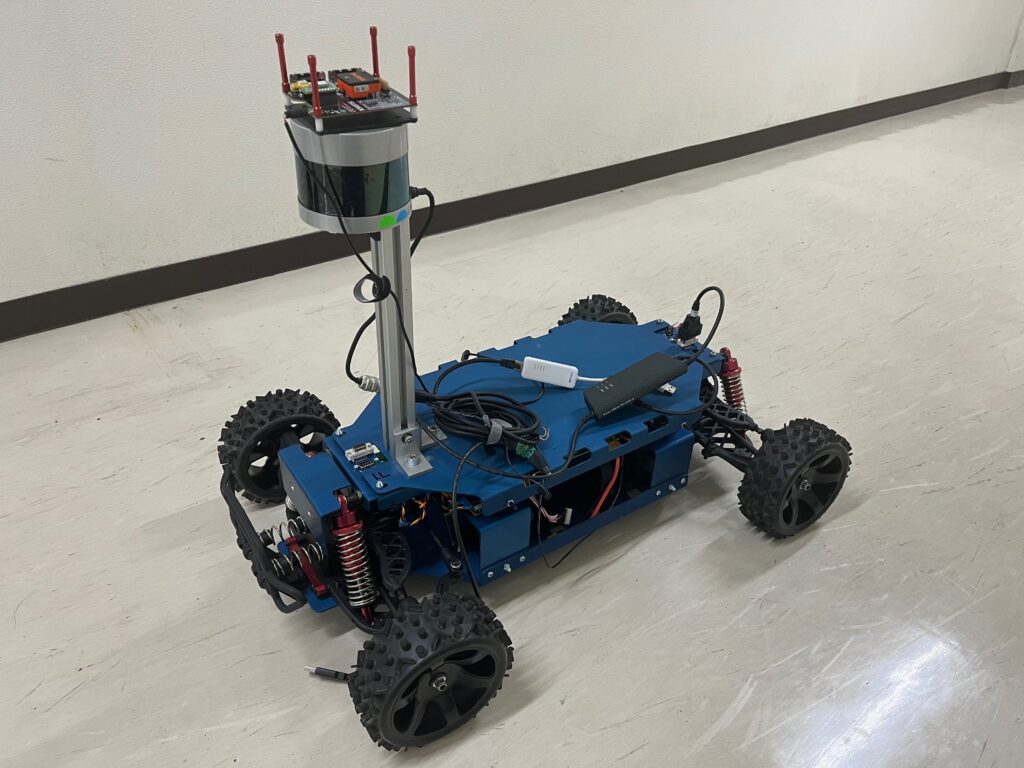
We are pleased to provide a detailed update on the ongoing development of the CanEduDev Rover, a key innovation within our collaboration with Telenor, KTH, and the Tecosa project. The integration of essential components and the overall system architecture is now approaching finalization, incorporating advanced technologies designed for real-world applications in autonomous systems research.

Core Components in Use:

  1. Ultrasonic sensors: Integrated for short-range obstacle detection and emergency braking, ensuring enhanced safety.
  2. Disc brakes with wheel speed sensors: Deliver precise speed estimation and braking control, contributing to stability and safety in dynamic environments.
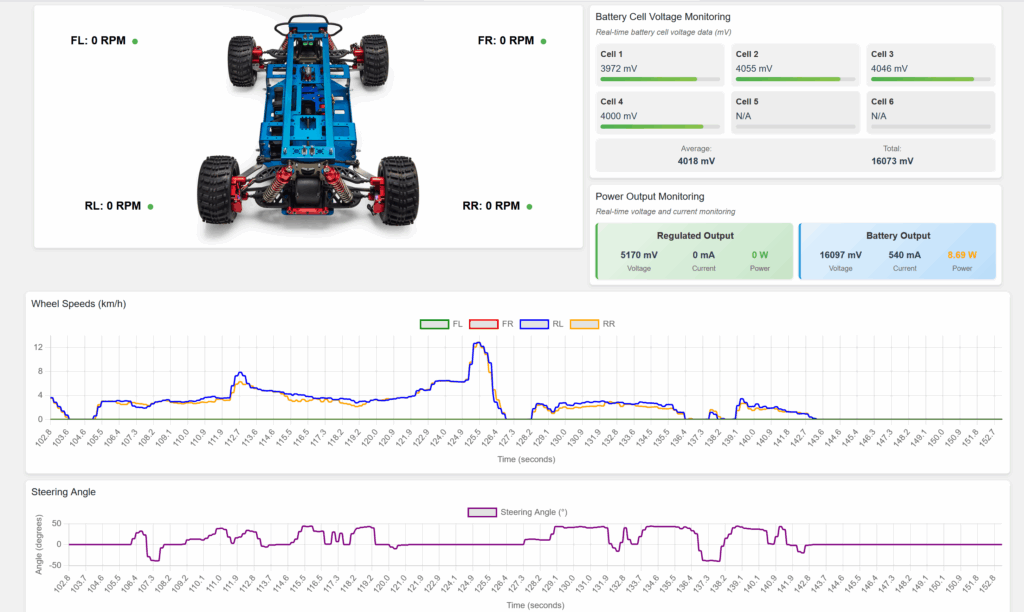
  3. Battery monitoring system: Provides real-time data on battery health and power distribution, critical for maintaining operational efficiency.

System Architecture and Component Integration:

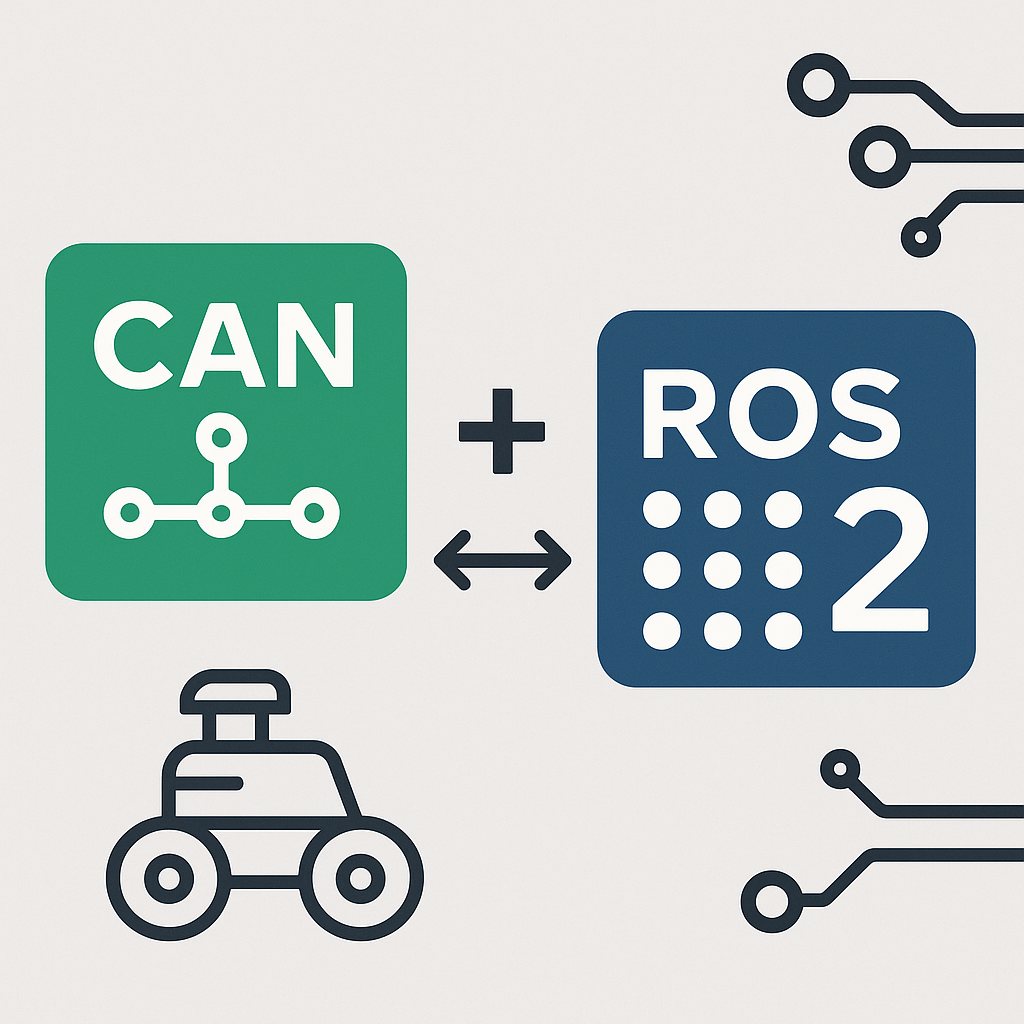
The CanEduDev Rover is built on a Distributed Embedded Control System (DECS) architecture, utilizing a CAN bus network to ensure robust communication between subsystems. This modular and scalable design allows for the flexible integration of additional components, supporting a wide range of testing and research requirements.

Key milestones achieved include:

  1. Full integration of the Nvidia Orin compute platform, delivering real-time AI-driven sensor fusion, path planning, and machine learning capabilities.
  2. The 3D LiDAR provides high-resolution, 360-degree environmental mapping with a wide vertical field of view, enabling precise navigation and obstacle detection.
  3. GNSS and IMU integration ensures high-accuracy positioning and navigation capabilities that are critical for autonomous operation, especially in outdoor environments.
  4. Smart cameras have been integrated, offering advanced mid-range object recognition to enhance the Rover’s situational awareness.

The Rover is also equipped with 5G connectivity provided by Telenor, facilitating real-time communication and low-latency remote control, essential for distributed autonomous systems.

Next Steps:

As we move forward, the immediate focus is on the full validation of all integrated components. This validation process will ensure that each subsystem meets performance expectations and is ready for the next phase. Only after this comprehensive validation will the calibration phase begin, which will fine-tune the Rover’s performance for real-world applications.

The CanEduDev Rover remains on track to serve as a highly adaptable research platform, advancing the development of next-generation autonomous systems.

For further technical details or collaboration inquiries, please contact us or visit our website.

our other blogs

IMG 20250421 182629 01
How LiU Formula Student Is Using the CanEduDev Rover to Drive Autonomous Innovation

At Linköping University, the Formula Student Driverless Team has taken on the challenge of building an advanced autonomous vehicle platform. To accelerate their development and testing processes, the...

read more site-logo
influx
Case Study: How Influx’s Use of the CanEduDev Rover Platform is Accelerating Automotive Development and Demo Capabilities

Case Study: How Influx's Use of the CanEduDev Rover Platform is Accelerating Automotive Development and Demo Capabilities Executive Summary Influx Technology is leveraging the CanEduDev Rover platfo...

read more site-logo
1
CanEduDev Partners with KTH and Telenor on Advanced Autonomous Driving Project

Project SummaryThe collaboration between CanEduDev, the Royal Institute of Technology (KTH), and Telenor represents a pioneering effort to push the boundaries of autonomous driving technology on a sma...

read more site-logo
rover img side
Bringing Autonomy to Life: Autoware Integration with the CanEduDev Rover

In Alex Carballo’s lab at Gifu University, cutting-edge research and hands-on robotics come together to create innovative solutions. In their latest project, headed by Tomoki Kuno, they showcase th...

read more site-logo
IMG 20250609 1400541
From Simulation to Skidpad: How the CanEduDev Rover is Accelerating LiU Formula Student’s Driverless Ambitions

For any team in the high-stakes world of autonomous racing, the gap between a promising algorithm in a simulator and a car executing a flawless run on the track is immense. It's a gap filled with long...

read more site-logo
14
CanEduDev formally partners with Kvaser

As a newly appointed Technical Associate to Kvaser, CanEduDev is set to bring its Rover platform to the forefront of CAN technology demonstrations and education. This collaboration underscores our sh...

read more site-logo